Conference Insights: Art, Archaeology, and Museum Management
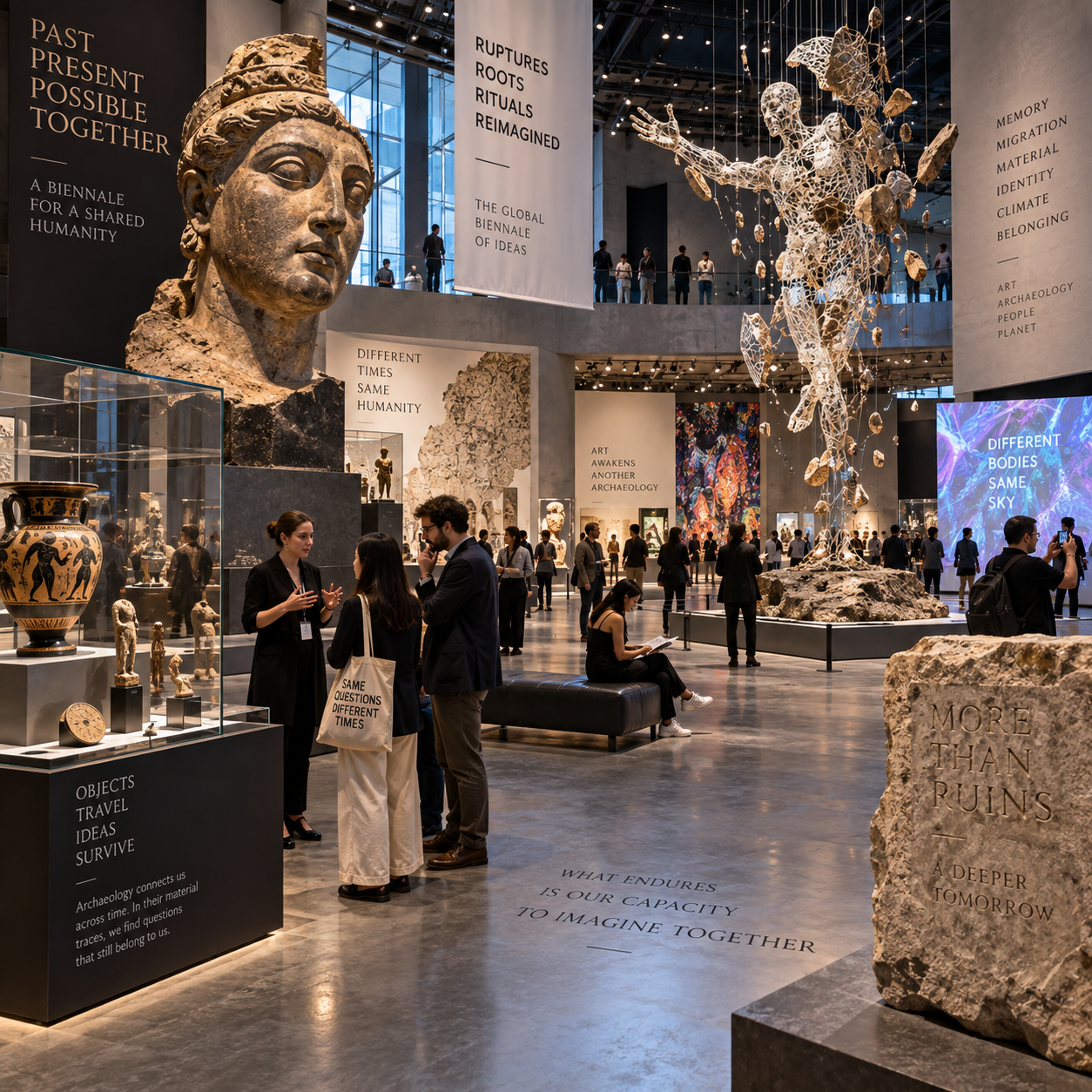
A conference connecting art, archaeology, and museum management reveals how closely these fields shape one another. Each asks how culture is selected, interpreted, preserved, and shared, while a museum biennale brings those questions into public view through exhibitions, performances, research, and debate.
The most useful insight is practical: ambitious cultural programming depends on both intellectual imagination and institutional discipline. Artists may challenge familiar narratives, archaeological research may complicate an object’s meaning, and museum management must create the conditions for those perspectives to meet responsibly.
Why Art, Archaeology, and Museum Management Belong in One Conversation
Art, archaeology, and museum management belong together because all three influence how societies understand cultural heritage. Art explores perception and representation, archaeology builds knowledge from material evidence, and museum management turns ideas into sustainable public experiences.
Art and visual culture can make historical questions emotionally immediate. Archaeology contributes methods for examining objects, sites, landscapes, technologies, and human activity over time. Museum management connects this knowledge to budgets, staffing, conservation, governance, risk, and long-term planning.
In a museum biennale, these relationships become especially visible. A contemporary installation might reframe an archaeological fragment, while a research display might ask visitors to consider who collected an object, whose interpretation became authoritative, and what remains unknown. The result can move beyond a simple division between old objects and new art.
This approach also changes the meaning of a museum experience. The institution is not only a storage facility or exhibition venue. It becomes a place where evidence, imagination, memory, and public responsibility meet. The trade-off is that interdisciplinary work takes more time: teams must negotiate terminology, methods, ethics, and different expectations of evidence.
Key Ideas from the Conference’s Artistic Perspectives
Artistic perspectives can expand museum interpretation by questioning fixed narratives and testing new ways to encounter culture. Artists and curators use visual storytelling, installation, sound, performance, and participatory formats to make interpretation more open and self-aware.
Contemporary artistic practice often exposes the assumptions behind a display. An artwork may draw attention to gaps in an archive, the politics of collecting, or the difference between an object’s original use and its museum classification. This does not replace scholarship. It gives audiences another route into complex research.
Biennale participants can also experiment with exhibition form. A chronological sequence may be replaced by a network of associations; a label may sit beside a recorded testimony, a map, or an artist’s response. These choices encourage visitors to compare perspectives rather than accept one authoritative storyline.
Curatorial practice must still provide orientation. Experimentation becomes confusing when visitors cannot identify the subject, the evidence, or the reason for placing works together. A useful model is to give audiences three layers of information:
- Essential orientation: what the visitor is seeing and why it matters.
- Interpretive depth: the historical, artistic, or archaeological questions behind the display.
- Further exploration: references, research materials, interviews, and alternative viewpoints.
This layered approach supports both casual biennale audiences and specialist visitors without reducing the complexity of the subject.
Archaeology, Evidence, and Cultural Interpretation
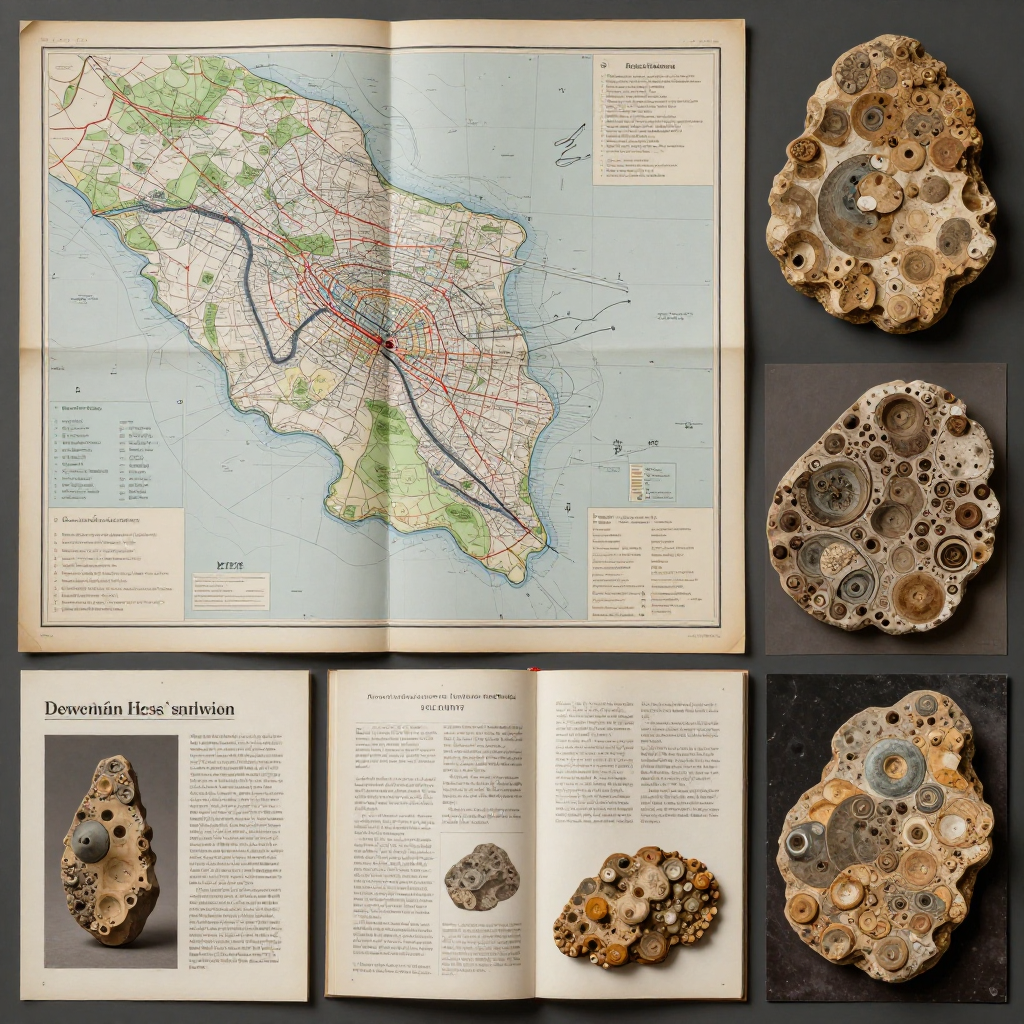
Archaeology strengthens museum interpretation by connecting objects to evidence, context, and human activity. Its contribution extends beyond displaying artefacts: archaeological research examines provenance, material properties, production, use, discovery, and the conditions through which objects entered collections.
Context is central. A vessel, tool, sculpture, or fragment can carry very different meanings depending on its findspot, date, associated materials, cultural setting, and later history. Removing an object from those relationships may make it easier to display, but it can also weaken the story it tells.
Responsible interpretation should distinguish between established evidence, scholarly debate, and informed speculation. Clear language helps. Phrases such as “the evidence suggests,” “researchers disagree,” or “the original use remains uncertain” can give visitors a more accurate sense of how knowledge develops.
Provenance is equally important. Museums and biennale organisers should ask how an object was excavated, acquired, transferred, or collected, and whether its display raises legal or ethical concerns. International guidance from organisations such as ICOM’s Code of Ethics can support discussions about professional responsibility, acquisition, documentation, and public trust.
Artists can help make these issues visible, but artistic intervention should not obscure an object’s history. The strongest projects allow creative interpretation and archaeological accountability to remain in productive tension.
Museum Management as a Link Between Vision and Practice
Museum management turns curatorial vision into a workable, ethical, and durable programme. Leadership, planning, collections management, staff coordination, funding, conservation, and evaluation determine whether an ambitious exhibition can succeed beyond its opening concept.
A biennale may involve temporary loans, complex installation requirements, new commissions, public programmes, digital content, and international collaboration. Each decision affects another part of the institution. A visually striking installation may require specialist conservation advice; a community programme may need safeguarding procedures; a travelling object may require environmental monitoring and insurance.
Good management begins by testing the relationship between ambition and capacity. Before approving a project, teams should ask:
- What knowledge and skills does the project require?
- Can the institution provide appropriate collections care and environmental conditions?
- Which communities or rights holders should participate in decision-making?
- What costs continue after the biennale closes?
- How will the project be documented, evaluated, and maintained?
This planning may appear administrative, yet it protects creative quality. Clear responsibilities give artists, archaeologists, educators, and curators room to work. The limitation is that management can constrain experimentation when resources are tight. The answer is not to remove practical controls, but to identify the project’s non-negotiable values and allocate resources around them.
Building Interdisciplinary Exhibitions and Programmes
Interdisciplinary exhibitions work best when collaboration begins during research and planning, not after the concept is finished. Artists, archaeologists, curators, educators, conservators, and communities should shape the questions together.
Each group brings a different form of expertise. Archaeologists may clarify material evidence and chronology. Artists may propose new sensory or spatial approaches. Educators can identify barriers to understanding. Conservators assess risk, while community partners contribute lived knowledge and challenge institutional assumptions.
A practical collaboration framework is the “question, evidence, encounter” sequence:
- Question: define the cultural or historical issue the exhibition wants visitors to consider.
- Evidence: identify objects, archives, oral histories, artworks, and research that support or complicate the question.
- Encounter: design the gallery, programme, or digital experience so visitors can form their own informed response.
This framework prevents collaboration from becoming a collection of disconnected contributions. It also supports public programmes such as artist talks, archaeological demonstrations, handling sessions, school workshops, and community-led discussions.
Collaboration still requires agreement about authorship, credit, payment, access to research, and decision-making authority. Inviting a community to contribute without giving it meaningful influence can create the appearance of participation without its substance.
Audience Engagement, Access, and Institutional Responsibility
Audience engagement depends on clear interpretation, meaningful access, and trust in the institution. Visitors should be able to understand the central idea of a display while also encountering uncertainty, disagreement, and multiple cultural perspectives.
Accessible interpretation includes readable text, strong visual hierarchy, audio and tactile resources where appropriate, captions, translations, seating, step-free routes, and digital alternatives. Accessibility is not a final layer added after the exhibition opens. It should influence object placement, label writing, programme scheduling, and budget decisions from the beginning.
Public engagement also means recognising different types of knowledge. A community member’s testimony, an archaeological report, an artist’s interpretation, and a museum catalogue record may answer different questions. Presenting them together can create a fuller account, provided the institution explains their roles and limitations.
Responsible museums avoid presenting contested cultural material as settled fact. They acknowledge colonial histories, disputed ownership, gaps in documentation, and the emotional significance of objects and sites. This can make interpretation more demanding, but it also makes the museum’s authority more credible.
Evaluation should measure more than attendance. Organisers might examine whether visitors understood the main ideas, whether participants felt respected, which access provisions were used, and whether the programme created lasting relationships. Numbers matter, but audience value also includes confidence, recognition, curiosity, and opportunities for dialogue.
Practical Takeaways for Museums and Biennale Organisers
Museums and biennale organisers can apply the conference’s central lessons through early planning, contextual interpretation, shared expertise, and meaningful evaluation. The following checklist connects curatorial goals with institutional responsibility.
- Align vision with capacity: match the exhibition concept to available staff, funding, conservation support, facilities, and time.
- Protect context: document provenance, archaeological associations, cultural meaning, and known uncertainties before designing interpretation.
- Share authority: involve artists, researchers, educators, communities, and rights holders at the stage when decisions can still change.
- Build layered interpretation: provide a clear entry point, deeper research, and optional resources for specialist audiences.
- Plan access early: include physical, sensory, linguistic, financial, and cognitive access in the original project budget.
- Evaluate value: combine attendance data with visitor feedback, participant reflection, learning outcomes, and relationship-building measures.
- Record the process: preserve decisions, disagreements, methods, and responses so future teams can learn from the biennale.
The most durable museum biennale programmes connect experimentation with care. They make space for art to question, archaeology to substantiate and complicate, and museum management to support responsible action. That balance gives audiences more than a memorable display: it offers a thoughtful way to encounter culture in the present.
Frequently Asked Questions
What can art contribute to archaeological interpretation?
Art can reveal emotional, political, sensory, or speculative dimensions of archaeological material. It can question established narratives and help audiences notice absence, uncertainty, and the modern history of collecting, while archaeological evidence remains essential for factual context.
Why is museum management important to exhibition quality?
Museum management provides the planning, resources, collections care, staffing, risk control, and coordination required to deliver a strong exhibition. Without that support, an intellectually ambitious concept may become unsafe, inaccessible, or difficult to sustain.
How can museums support interdisciplinary collaboration?
Museums can support collaboration by involving specialists early, defining responsibilities, paying contributors fairly, sharing information, and creating decision-making processes that recognise different forms of expertise.
What makes a museum biennale programme engaging and accessible?
An engaging and accessible museum biennale combines a clear central idea with varied ways to participate, including readable interpretation, inclusive programming, sensory and digital resources, community involvement, and opportunities for visitors to ask questions rather than simply receive information.