Exploring Durable and Affordable Construction Solutions in India: How Bison Polska's Innovative Products Are Transforming the Building Industry in 2026
India's construction boom is something else entirely. I've been tracking building industry trends for years, and what's happening right now — in 2026 — has a different kind of urgency to it. The pressure to build faster, smarter, and cheaper isn't new, but the intensity has cranked up in ways I haven't seen before. What's caught my attention lately is the wave of high-performance European construction products entering the Indian market. Not generic imports — purpose-engineered materials that bring a measurably different level of quality to projects ranging from affordable housing blocks to large commercial builds. One company in particular keeps coming up in conversations I'm having with people on the ground: Bison Polska. I want to break down exactly why they're worth paying attention to.
The State of India's Construction Industry in 2026
The numbers are hard to ignore. India's construction sector accounts for roughly 9% of national GDP and keeps over 50 million workers employed. Urban migration isn't slowing — tier-2 and tier-3 cities are seeing some of the fastest residential growth anywhere in the country right now. PM Awas Yojana and similar government programs have set housing targets that private developers are scrambling to meet. And the central question every contractor and procurement manager is wrestling with stays the same: how do you deliver durable, code-compliant structures at a price that keeps the project commercially viable?
The old answer — stick with locally sourced materials through familiar procurement chains — is getting harder to defend. Contractors are finding that some conventional materials buckle under the combined pressure of tighter timelines, stricter quality audits, and buyers who expect their buildings to actually hold up. That gap is exactly where innovative manufacturers are stepping in.
What Makes a Construction Material Truly Durable and Affordable?
Before getting into what Bison Polska offers, it's worth being precise about what 'durable and affordable' actually means in practice. Marketing uses both words constantly, but engineers and procurement managers translate them into specific, measurable criteria — and they should.
The evaluation factors I've seen Indian construction professionals apply consistently come down to these: load-bearing capacity under static and dynamic stress, moisture and temperature cycling resistance, expected service life before any maintenance is needed, installation ease and labor cost, and total price per square meter across the building's lifetime — not just day-one purchase cost. That last point matters more than most people acknowledge upfront.
Climate Considerations Unique to India
India isn't one climate. It's a dozen. The Western Ghats get hammered by monsoon rainfall for months straight. Rajasthan bakes under extreme dry heat. Coastal zones deal with salt-laden air and persistent high humidity. The Himalayan foothills cycle through freeze-thaw conditions. Any material claiming suitability for 'Indian conditions' needs to hold up across all of that — not just in the geography where it was first specified.
This is why I keep saying: durability here isn't a premium upgrade. It's the baseline. Materials that absorb moisture, warp under heat, or degrade with UV exposure don't create problems over decades — they create problems within years. Sometimes faster.
Cost vs. Longevity: Finding the Right Balance
I've watched this pattern repeat more times than I'd like. A project manager picks the cheapest board on the market, books a 15% saving on initial material costs, and ends up spending three times that on repairs, replacements, and rework before year five. It's a trap that's well-documented and still widely walked into.
Lifecycle costing — calculating total ownership cost from installation through end-of-life — is finally becoming standard thinking among the more sophisticated Indian developers in 2026. Run the numbers honestly, and a slightly pricier material that lasts twice as long with half the maintenance almost always comes out ahead. That shift in how developers evaluate procurement is precisely what creates space for manufacturers like Bison Polska.
Introducing Bison Polska — Innovation from Europe for Global Markets
Bison Polska is a European manufacturer with a solid track record in construction boards, panels, and structural components built to demanding European engineering standards. What sets them apart isn't just the product specs — it's the approach. Their focus is on performance under real-world conditions, not just controlled lab results. Manufacturing quality controls are tight, and the technical documentation is detailed enough that structural engineers can work directly from it when writing specifications. That's not always the case with suppliers in this category.
If you're working in Indian construction procurement or project design, I'd genuinely recommend spending time with the full product portfolio and technical sheets at https://bison-polska.pl/. The range of solutions across different construction applications is broader than you might expect, and the documentation gives you what you need to make a real fitness-for-purpose assessment before placing a trial order.
Why does Bison Polska matter specifically for India right now? Three things: their products directly address the durability challenges that Indian climate zones throw at materials, their pricing sits in a range where lifecycle cost comparisons land favorably, and their certifications align with what major Indian developers are increasingly requiring from suppliers. That combination isn't accidental — it's why they're gaining traction here.
Key Bison Polska Products Gaining Traction in Indian Construction
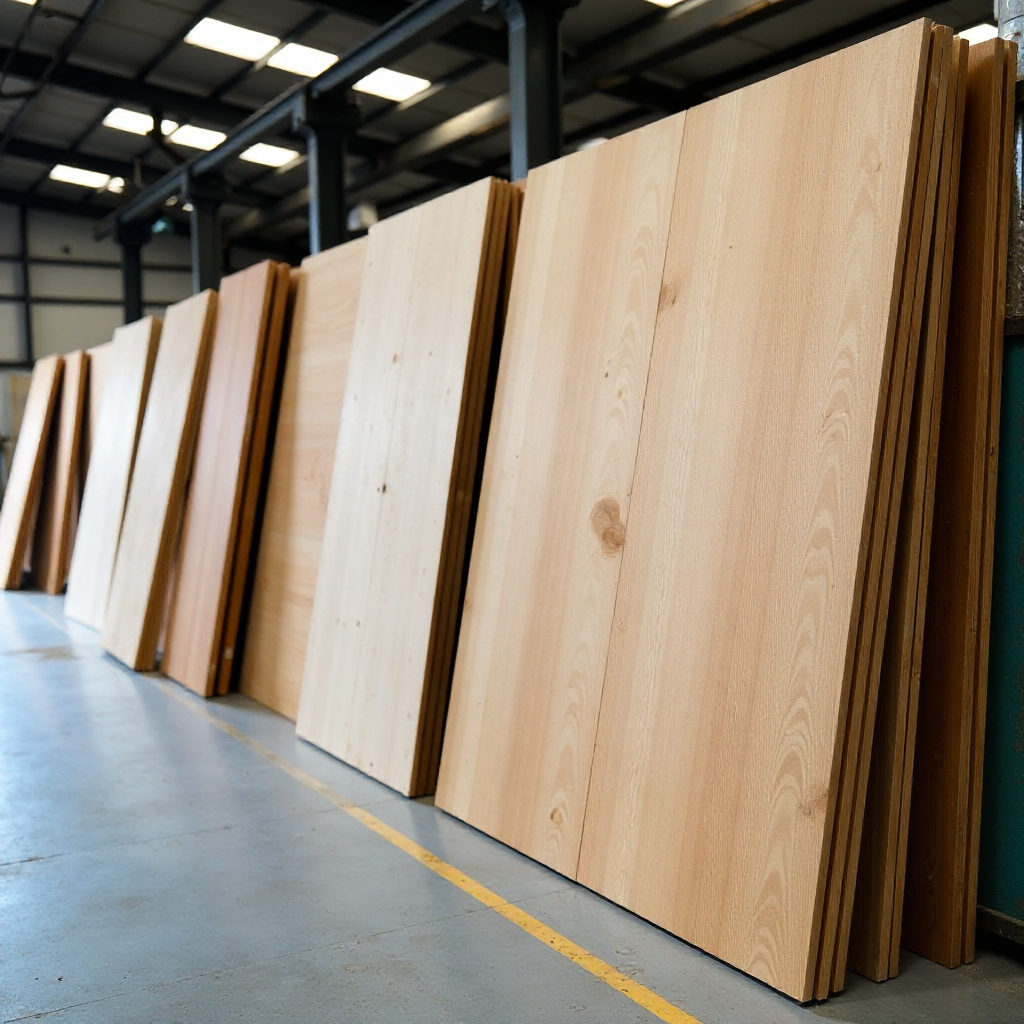
The products I've seen generating the most interest among Indian builders are their board and panel systems. These aren't niche components — they're used in partitioning, false ceilings, flooring underlays, facade systems, and structural infill across both residential and commercial projects. The core technical edge is high density combined with moisture resistance and dimensional stability. Those three properties together are what conventional gypsum boards and low-grade fiberboards consistently struggle to deliver in Indian conditions, and why premature failures happen.
Bison Polska boards perform well in compression and bending tests, resist the water absorption that leads to swelling and delamination, and hold their structural integrity through temperature swings that would stress lower-quality materials. For contractors, that means fewer callbacks. Fewer warranty claims. And the kind of track record that actually builds a reputation over time.
Applications in Residential and Commercial Building
In the residential segment, these panel solutions are being used in affordable housing complexes where construction speed is non-negotiable but quality still has to hold up. Prefabricated wall and ceiling systems built around high-performance boards cut on-site labor time significantly — and in urban projects where skilled labor is both scarce and expensive, that's a real number, not a rounding error.
On the commercial side — offices, retail fit-outs, hospitality projects — the finish quality and acoustic performance of well-specified boards makes a tangible difference. I've had conversations with architects in Mumbai and Bengaluru who specifically mention the consistency of European-manufactured boards as a reason to prefer them. Locally sourced alternatives, they've told me, show too much batch-to-batch variation. That inconsistency creates risk, and risk on a commercial project is expensive.
How European Construction Standards Benefit Indian Projects
CE marking requirements and EN-series testing protocols are some of the most rigorous construction standards anywhere. When Bison Polska products carry those certifications, it means independent testing has verified the performance characteristics on the data sheet. For Indian project managers managing quality-conscious clients and tighter warranty obligations, that distinction matters. It moves the conversation from 'the supplier claims it performs well' to 'here's third-party test data proving it performs to this specific standard.' Those are very different conversations to be having with a client or an auditor.
Indian developers on export-oriented commercial projects — or those building for multinational corporate tenants — have particular motivation to use internationally certified materials. It simplifies approval processes, satisfies due diligence requirements from international financiers, and fits with the growing adoption of LEED and IGBC green building ratings across Indian cities in 2026. That last point is only going to become more important, not less.
Practical Tips for Indian Contractors Considering Innovative Building Materials
If you're a contractor or procurement manager evaluating Bison Polska's products — or any comparable material — for an upcoming project, here's how I'd approach it:
- Start with the technical data sheet. Don't make decisions based on brochures. Request the full TDS and verify that tested properties actually match your project's structural and environmental requirements.
- Check certifications independently. CE marking, ISO certifications, and relevant Indian standards compliance (BIS where applicable) should all be verifiable. Ask for test certificates, not verbal assurances.
- Run a pilot project first. Before committing to a full development, specify the new material in one building or one floor. Evaluate installation ease, get contractor feedback, and watch performance over six to twelve months.
- Calculate total cost of ownership. Factor in installation labor, expected maintenance frequency, service lifespan, and end-of-life disposal or recyclability — not just the purchase price per unit.
- Engage the manufacturer's technical team. Reputable manufacturers like Bison Polska offer technical support for specification writing. Use it — it can prevent costly installation errors and make sure the material actually performs as designed.
The Future of Affordable and Durable Construction in India
Looking at where things are heading through 2026 and beyond, a few trends are converging in ways that will reshape Indian construction. Prefabrication and modular construction are moving from niche applications into the mainstream, pushed by labor cost pressure and the need to compress timelines. Sustainability requirements — regulatory and market-driven both — are pushing developers toward lower embodied carbon and longer-lived materials. And Indian buyers, residential and commercial alike, are getting more sophisticated about build quality in ways that favor contractors willing to invest in better materials from the start.
In that environment, relationships with innovative international manufacturers aren't a nice-to-have. They're a competitive position. Bison Polska represents exactly the kind of supplier partnership that forward-thinking Indian builders should be building now. European engineering standards, real product innovation, and genuine technical support — that's a foundation for delivering structures that last, at lifecycle costs that actually make commercial sense.
India's construction industry in 2026 is at a genuine inflection point. The builders who'll lead the next decade are already making smarter material decisions today — and high-performance solutions from manufacturers like Bison Polska are a real part of that shift.