The Role of Bihar Museum in Promoting Indian Art and Culture
Few cultural institutions in India have made as deliberate and visible a commitment to both preservation and engagement as the Bihar Museum in Patna. Since opening its doors, the museum has positioned itself not simply as a repository of objects, but as a living platform for Indian art and culture — one that connects ancient heritage with the creative energies of contemporary Indian artists.
Introduction to Bihar Museum: Overview of Its Mission and Vision in Cultural Preservation
The Bihar Museum is a state-funded cultural institution in Patna, Bihar, dedicated to preserving and promoting the art, history, and civilizational legacy of one of India's oldest regions. Its founding vision treats cultural preservation not as archiving the past, but as making the past speak to the present.
The museum's galleries span archaeological collections, natural heritage, and contemporary art — an intentionally broad scope that reflects Bihar's layered identity. The region gave the world the Maurya and Gupta empires, the birthplace of Buddhism, and centuries of artistic traditions ranging from Madhubani painting to Pala-period sculpture. Housing these within a single institution creates a rare kind of depth.
What distinguishes Bihar Museum from many regional museums is its emphasis on heritage education. Staff-led tours, school outreach programs, and curated digital content are treated as core functions, not add-ons. The goal is to make cultural literacy accessible to visitors who may walk in knowing very little about the state's artistic traditions and leave with a genuine sense of connection to them.
Bihar Museum Biennale 2021: A Platform for Celebrating and Promoting Indian Art
The Bihar Museum Biennale 2021 was one of the most significant cultural events to emerge from the Indian museum sector in recent years, bringing together artists, scholars, and institutions in a focused conversation about Indian artistic identity. The Biennale created a platform where traditional forms and contemporary expression could occupy the same space without one diminishing the other.
Organized around themes that drew from Bihar's cultural and historical depth, the 2021 edition featured works by established and emerging contemporary Indian artists alongside historical artifacts. This side-by-side presentation was deliberate — it asked audiences to trace lineages, notice continuities, and question the boundaries between "classical" and "modern" in Indian art.
The Biennale also served a practical purpose for the broader cultural ecosystem. It drew international attention to Patna as a serious site of cultural production, not just cultural tourism. Art critics, curators, and collectors who might never have engaged with Bihar's creative scene found reason to pay attention. For local artists, that visibility translates into real opportunities.
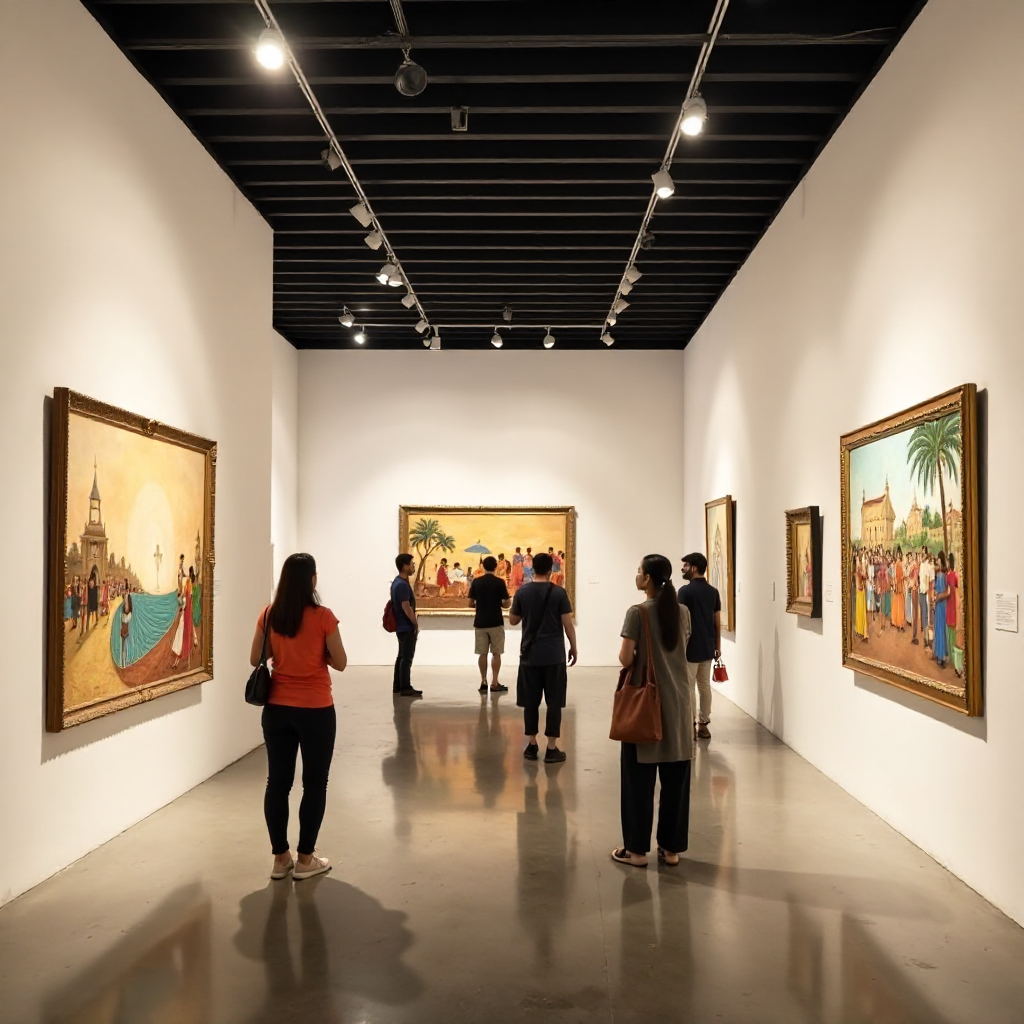
One of the Biennale's lasting contributions is the model it established: a recurring, thematically coherent event anchored in regional identity but open to national and international dialogue. That model has influenced how other Indian museums think about periodic programming.
Exhibitions at Bihar Museum: Showcasing Traditional and Contemporary Indian Art Forms
Bihar Museum's permanent and rotating museum exhibitions cover a range of Indian art forms, from prehistoric terracottas to Madhubani paintings to modern sculpture. The collection is organized to show continuity — how artistic sensibilities evolved across centuries within the same geographic and cultural zone.
The children's gallery deserves specific mention. Rather than presenting Indian cultural heritage as something distant or academic, it uses interactive displays and tactile elements to bring historical contexts alive for younger visitors. This approach reflects the museum's belief that heritage education works best when it meets people at their level of engagement.
Rotating exhibitions introduce contemporary Indian artists whose work either responds to Bihar's traditions or departs from them in ways worth examining. The museum has shown work in textile art, digital media, and installation — signaling that the institution sees its mandate as forward-looking, not just preservationist.
Traditional art forms like Pattachitra, Sanjhi, and the various folk painting styles of Bihar's districts appear regularly. These are not marginal additions to the main collection — they receive dedicated exhibition space and interpretive material that explains their social and ritual contexts, not just their aesthetic qualities.
Conferences and Cultural Events: Fostering Dialogue and Learning about India's Cultural Heritage
Beyond exhibitions, Bihar Museum runs a sustained calendar of art conferences, seminars, and public lectures that position the institution as an intellectual hub for Indian cultural discourse. These events bring together academics, practicing artists, and policy thinkers to examine questions that exhibitions alone cannot fully address.
Topics have ranged from the ethics of artifact repatriation to the documentation of intangible cultural heritage — conversations that matter not just for Bihar, but for how India as a whole thinks about its cultural estate. Hosting these discussions at a regional museum, rather than in Delhi or Mumbai, is itself a statement about where knowledge production should happen.
Public programs tied to major exhibitions extend the reach of these conversations to non-specialist audiences. Film screenings, craft demonstrations, and artist talks create entry points for people who might find formal academic discourse inaccessible. The museum's approach here reflects a clear understanding that cultural awareness builds through varied, repeated touchpoints — not a single overwhelming visit.
The Museum's Impact on Local Communities and Artists: Encouraging Cultural Participation and Education
The Bihar Museum's most tangible community impact lies in how it has changed the relationship between Patna's residents and their own cultural heritage. Regular museum outreach programs bring the museum into schools, community centers, and rural areas, reducing the barrier created by geography or unfamiliarity with formal cultural institutions.
For local artists, the museum functions as both a validator and an amplifier. Being exhibited at Bihar Museum carries weight in the regional and national art market. The Biennale in particular has given emerging Bihar-based artists exposure they would struggle to access through commercial galleries alone.
The museum has also invested in documentation projects that record folk traditions at risk of disappearing — oral histories, craft techniques, performance practices. These are rarely the kinds of projects that generate headlines, but they represent some of the most durable work any cultural institution can do. Craft communities in Madhubani, Bhagalpur, and other districts have participated in these documentation efforts, which return recorded knowledge to the communities themselves.
Preserving Heritage through Artifacts: How the Museum Conserves Historical Objects and Stories
Bihar Museum holds thousands of historical artifacts, including Mauryan-era sculptures, Pala bronzes, coins, manuscripts, and terracotta objects that span multiple millennia of human settlement in the Gangetic plains. Conserving these objects requires both technical infrastructure and institutional commitment.
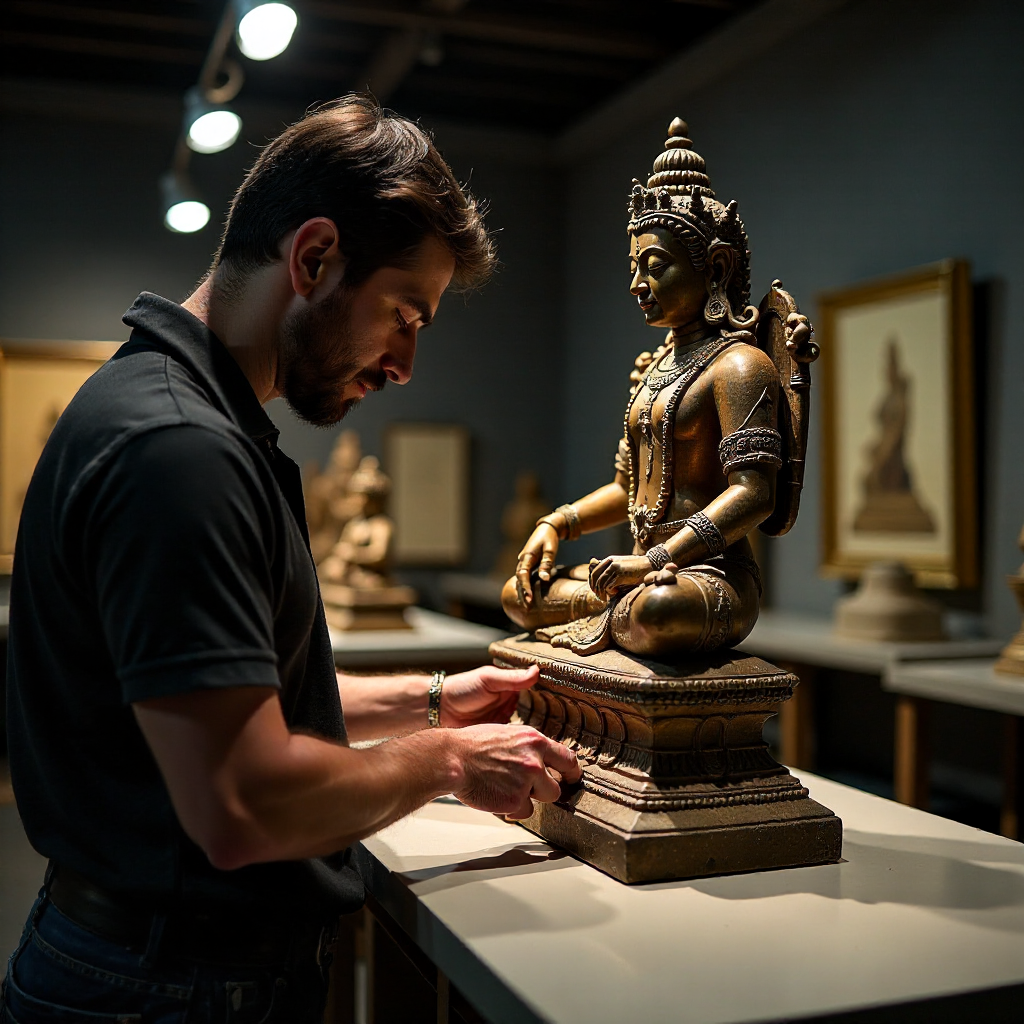
The museum operates dedicated conservation labs where objects are stabilized, cleaned, and documented using contemporary preservation standards. Climate-controlled storage, acid-free materials, and condition monitoring are standard practice — necessary investments given Bihar's climate and the age of many objects in the collection.
But preservation at Bihar Museum goes beyond the physical. Each artifact is treated as a carrier of stories — about trade routes, religious practice, daily life, political power. Interpretive labels and digital guides work to surface those stories, so that a Mauryan yakshi figurine becomes a window into social history rather than just an aesthetic object. This interpretive layer is where many museums fall short; Bihar Museum has put genuine resources into getting it right.
The museum's digitization program, which makes high-resolution images and catalog data available online, extends access to researchers and educators who cannot travel to Patna. According to Bihar Museum's Wikipedia profile, the collection includes over 5,000 artifacts, with more added through ongoing archaeological collaborations.
Future Prospects: Bihar Museum's Ongoing Initiatives to Enhance Cultural Promotion
Bihar Museum is actively expanding its role in Indian cultural life through new programming, infrastructure development, and national partnerships. Several initiatives currently underway reflect the institution's ambition to become a reference point for museum practice across South Asia.
Planned gallery expansions will create dedicated spaces for natural history and science, broadening the museum's scope while keeping its cultural core intact. A new research center, currently in development, is intended to support scholarship on Bihar's archaeological and artistic heritage — generating primary knowledge rather than only communicating existing knowledge.
Digital programming accelerated by the pandemic has become a permanent fixture. Virtual tours, online lectures, and social media campaigns targeting younger audiences have measurably increased the museum's reach beyond Patna. The museum's education team is building curriculum-linked resources that schools across Bihar and neighboring states can use without visiting in person.
Partnerships with international institutions for traveling exhibitions and joint research represent the next frontier. These collaborations would bring global attention to Bihar's collections while giving the museum access to best practices developed elsewhere. The trajectory suggests an institution that understands its potential and is willing to invest in realizing it.
Frequently Asked Questions
What kind of art is displayed at the Bihar Museum?
Bihar Museum displays a wide range of Indian art, including Mauryan and Pala-era sculptures, Madhubani and Pattachitra folk paintings, terracotta objects, manuscripts, and contemporary works by Indian artists. The collection spans prehistoric to present-day artistic traditions.
How does the Biennale contribute to Indian cultural promotion?
The Bihar Museum Biennale 2021 promoted Indian art by creating a national platform that paired historical artifacts with contemporary works, attracting critics, curators, and artists from across India and internationally. It elevated regional art into a national cultural conversation and increased visibility for Bihar-based contemporary Indian artists.
In what ways does the museum engage with local artists?
The museum engages local artists through exhibition opportunities, Biennale participation, documentation projects, and public programming. Artist talks and craft demonstrations allow practitioners to connect directly with museum audiences, while outreach programs bring museum resources to artists in rural areas of Bihar.
Are there educational programs related to Indian culture at the museum?
Yes. Bihar Museum runs school outreach programs, heritage education workshops, guided tours, and curriculum-linked digital resources. The children's gallery uses interactive formats to introduce younger visitors to Indian cultural heritage, and the museum's online content extends educational access beyond Patna.
How does the museum preserve historical artifacts?
Bihar Museum uses conservation labs with climate control, acid-free storage, and condition monitoring to preserve its collection of historical artifacts. A digitization program creates high-resolution records accessible to researchers worldwide. Each artifact is documented with interpretive material that preserves the cultural stories it carries, not just its physical form.